How Kenya Plans to Stop Ebola Before It Crosses the Border
2 min read
1000630879
The Government has assured Kenyans that comprehensive measures have been put in place to prevent and respond to any potential Ebola outbreak, particularly at the country’s border entry points.
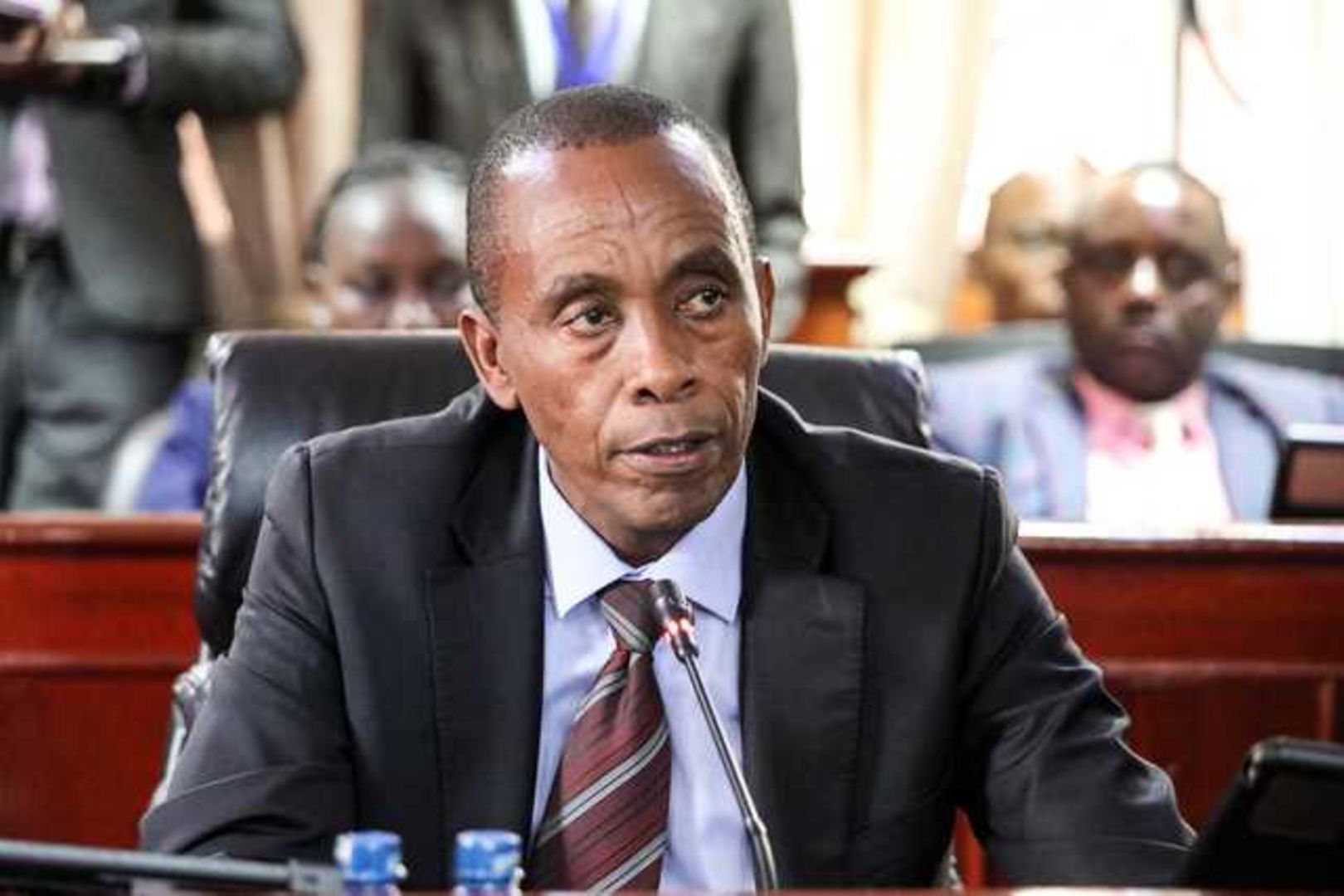
The assurance was issued by Principal Secretary for Internal Security and National Administration, Raymond Omollo, who emphasized that the country remains vigilant despite the absence of any confirmed Ebola cases within its borders.
Speaking during a public briefing on national preparedness, Omollo said the government has strengthened surveillance systems at airports, seaports, and land border crossings to detect and manage any suspected cases promptly.
He noted that the measures are part of a coordinated national response aimed at protecting public health and maintaining national security.
According to the PS, immigration officers, health personnel, security agencies, and county governments have been working closely to ensure effective screening and monitoring of travelers entering the country.
Thermal screening equipment, health declaration procedures, and rapid response mechanisms have been deployed at key points of entry to enhance early detection capabilities.
Omollo reassured the public that Kenya has learned valuable lessons from previous disease outbreaks, including the COVID-19 pandemic, and has invested significantly in strengthening emergency preparedness systems.
He said the government is maintaining constant communication with regional and international health organizations to monitor developments and receive timely updates on potential health threats.
“The government is fully prepared to respond to any emerging Ebola threat. We have established mechanisms for surveillance, detection, isolation and treatment should any suspected case arise,” he stated.
The PS further urged citizens to remain calm and avoid spreading misinformation, noting that panic can undermine public health efforts.
Also Read
- Billions on the Table? Ruto Begins Crucial European Tour to Woo Investors
- Babu Owino Reveals Truth About Relationship With Sifuna and It’s Not What Many Expected
- Why Matiang’i Says Chasing State House Could Cost Leaders What Matters Most
- Fuel Crisis Fears Grow as Rwanda Announces Sharp Increase in Diesel and Petrol Prices
- Kalonzo Unveils Powerful Agenda Ahead of State House Bid
He encouraged members of the public to obtain information from official government channels and health authorities.
Health experts have warned that Ebola remains one of the world’s most dangerous viral diseases due to its high fatality rate and potential for rapid transmission through direct contact with infected bodily fluids.
Symptoms often include fever, fatigue, muscle pain, vomiting, diarrhea, and, in severe cases, internal and external bleeding.
Meanwhile, county governments located along Kenya’s borders have been directed to strengthen disease surveillance and preparedness measures.
Medical facilities have also been advised to remain alert and ensure that healthcare workers are adequately trained to identify and manage suspected Ebola cases.
The government reiterated its commitment to safeguarding the health and safety of all Kenyans, emphasizing that preparedness, vigilance and public cooperation remain critical in preventing the spread of infectious diseases.
Authorities have assured citizens that the situation remains under close monitoring and that any emerging developments will be communicated promptly.