Shock as Govt Plans New Ebola Centres in Kakamega Amid Growing Public Outrage
3 min read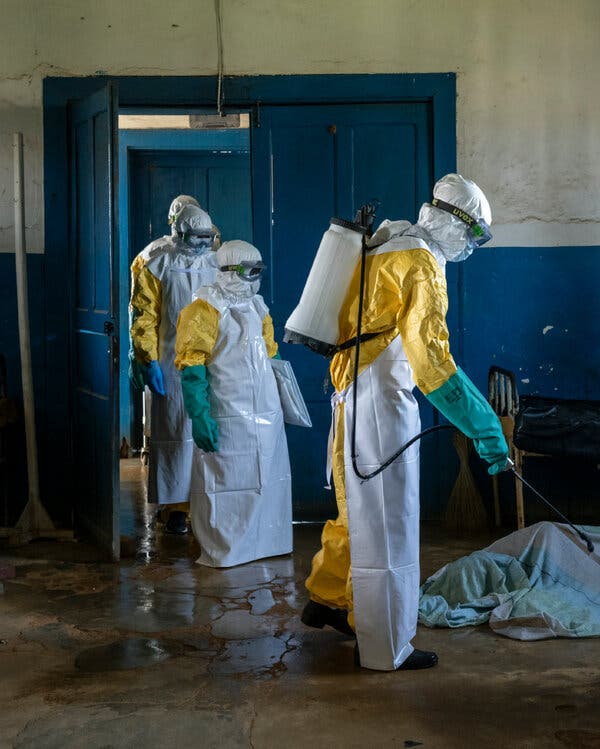
1000630491
The government has announced plans to establish Ebola treatment and surveillance centres in Kakamega County as part of enhanced preparedness measures aimed at preventing the spread of the deadly virus into Kenya.
The move comes at a time when the Ministry of Health is facing growing public scrutiny and political backlash over plans to set up a similar facility in Laikipia County, a proposal that has sparked concerns among residents and local leaders.
Health officials say the new centres in Kakamega will strengthen the country’s capacity to detect, isolate, and manage suspected Ebola cases, especially given Kenya’s position as a regional transport and trade hub.
The facilities will also support surveillance activities, emergency response coordination, and public awareness campaigns in western Kenya.
According to the Ministry of Health, the decision is part of a nationwide preparedness strategy following outbreaks reported in parts of East and Central Africa.
Also Read .
- John Mbadi Reveals Major FIFA World Cup Deal That Will Delight Millions of Kenyans
- How Kenya Plans to Stop Ebola Before It Crosses the Border
- Own Land in Kiambu? New Deadline Could Help You Clear Years of Rates Arrears
- U.S. Forced Into Emergency Plan B After Kenya Rejects Controversial Quarantine Deal
- Shock as Govt Plans New Ebola Centres in Kakamega Amid Growing Public Outrage
Authorities have maintained that no Ebola cases have been confirmed in Kenya but insist that proactive measures are necessary to safeguard public health.
“The country must remain vigilant. Preparedness is our strongest defense against any potential outbreak,” a senior health official said, emphasizing that the centres are precautionary and not an indication of an active outbreak within Kenya.
However, the announcement has reignited debate over the government’s handling of the Ebola preparedness program.
In Laikipia, residents and some elected leaders have opposed the planned facility, citing fears about safety, inadequate public participation and the potential impact on local economic activities.
Critics have accused the government of failing to adequately explain the purpose of the centres, leading to misinformation and anxiety among communities.
Some leaders have called for broader consultations before such projects are implemented.
Public health experts, however, have defended the initiative, arguing that specialized treatment and isolation facilities are a critical component of outbreak preparedness.
They note that Ebola is highly contagious and requires dedicated infrastructure and trained personnel to ensure effective containment should a case be detected.
The government has assured Kenyans that the proposed centres will meet international health standards and will not pose a danger to surrounding communities.
Officials have also pledged to intensify public engagement efforts to address concerns and provide accurate information about the facilities.
As preparations continue, attention is now turning to how local communities in Kakamega will respond to the planned centres.
The government’s ability to balance public health preparedness with public confidence is expected to play a crucial role in determining the success of the initiative.
The developments underscore the challenges governments face in preparing for potential health emergencies while addressing fears and misconceptions among the public.