Wetang’ula Meets South Sudan Speaker, Sends Powerful Message to East Africa
 Afrireport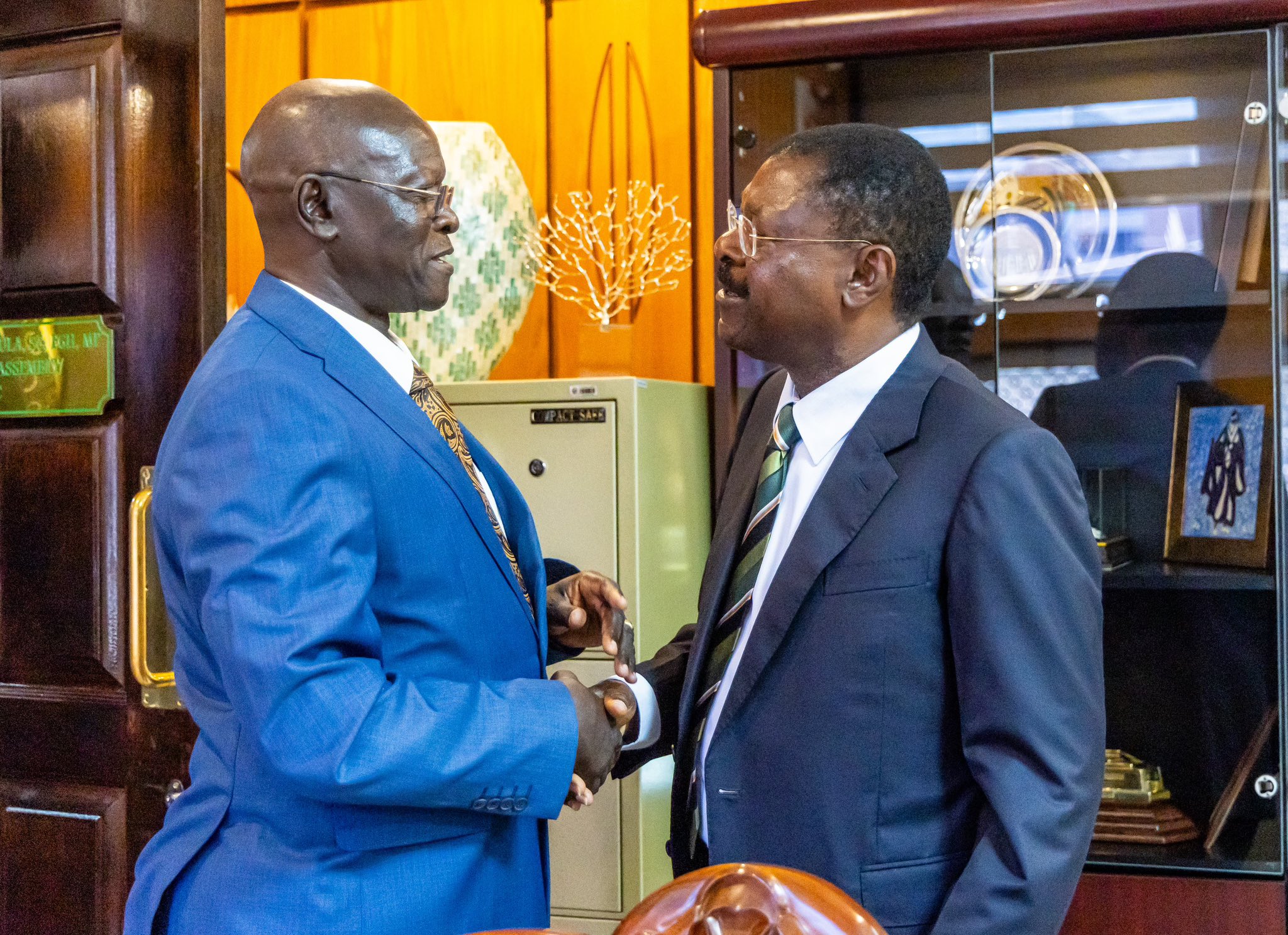
1000642579
National Assembly Speaker Moses Wetang’ula has called on East African nations to rally behind South Sudan as it navigates a critical political transition, emphasizing that regional stability and democratic governance are key pillars for sustainable development across the East African Community (EAC).
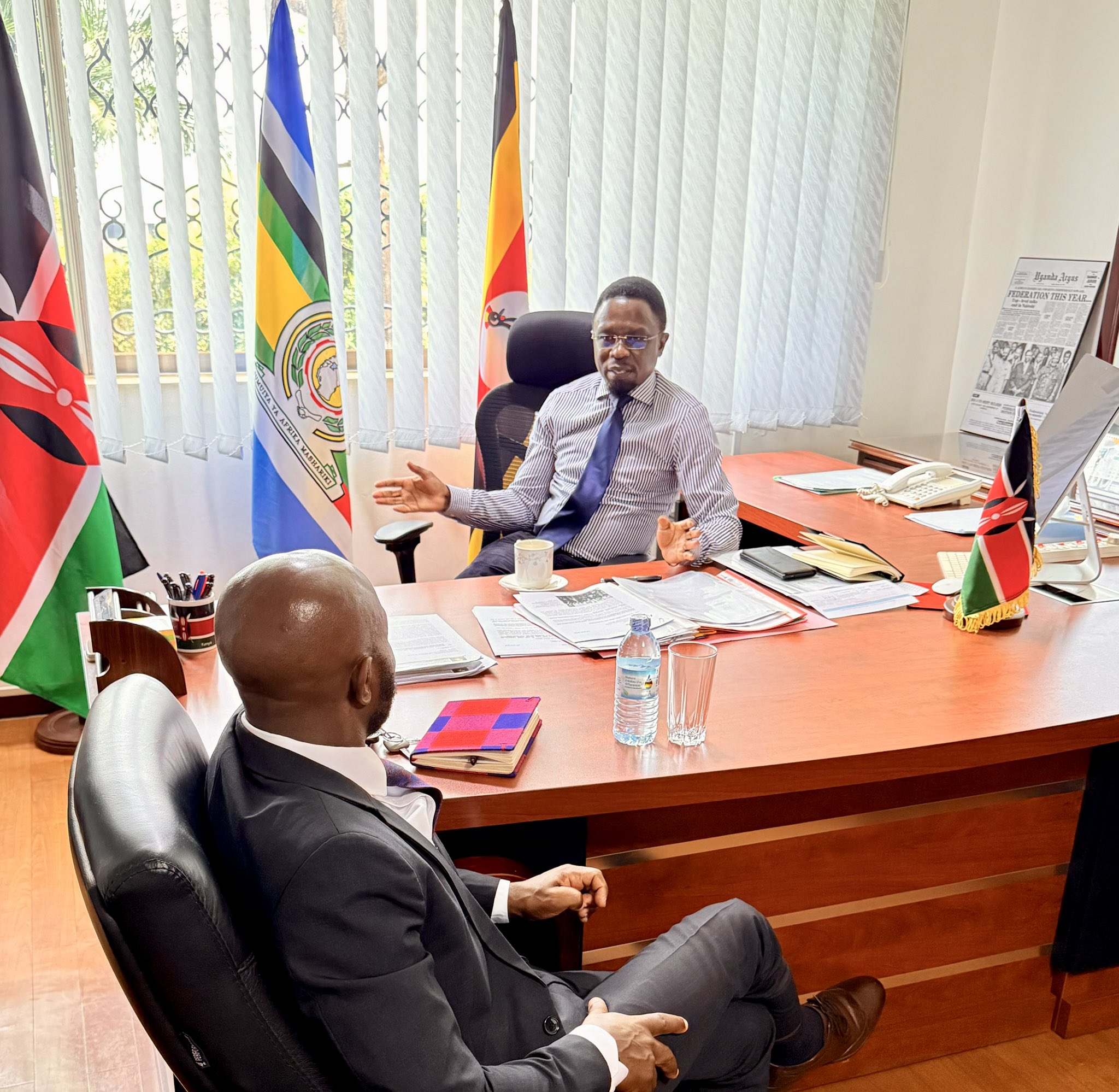
Speaking after a high-level meeting with Joseph Ngere Paciko, Wetang’ula said stronger parliamentary cooperation among EAC member states is essential in advancing democracy, peace and regional integration.
The engagement focused on exploring ways to strengthen parliamentary democracy and foster closer collaboration between legislative institutions within the region.
According to Wetang’ula, Parliaments have a crucial role in safeguarding democratic principles, promoting accountability, and ensuring citizens’ voices are reflected in governance processes.
“Regional stability and democracy within the East African Community remain essential to enhance development in the region,” Wetang’ula said, noting that effective parliamentary systems provide a foundation for economic growth, social cohesion, and political stability.
The Speaker highlighted the importance of South Sudan’s membership in the East African Community, saying the country’s inclusion presents an opportunity to deepen regional unity and strengthen democratic institutions.
Also Read
- Wetang’ula Meets South Sudan Speaker, Sends Powerful Message to East Africa
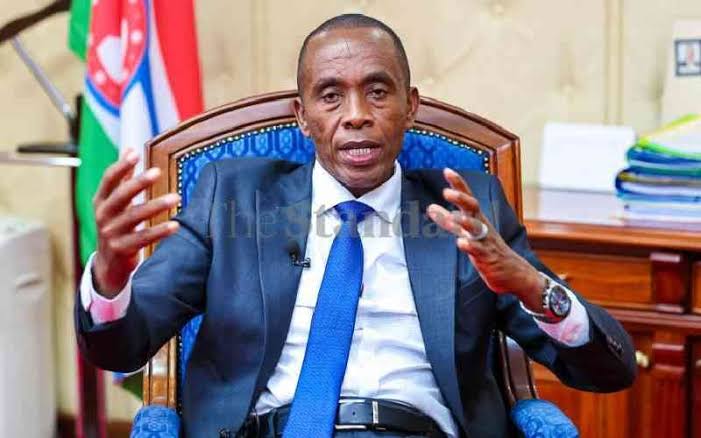
- Kiambu Governor Breaks Silence on Criticism, Sends Strong Message to Opponents. Here is the Message
- Game Plan Revealed: Central Committee Maps Out Strategy to Tighten Party Control and Unity
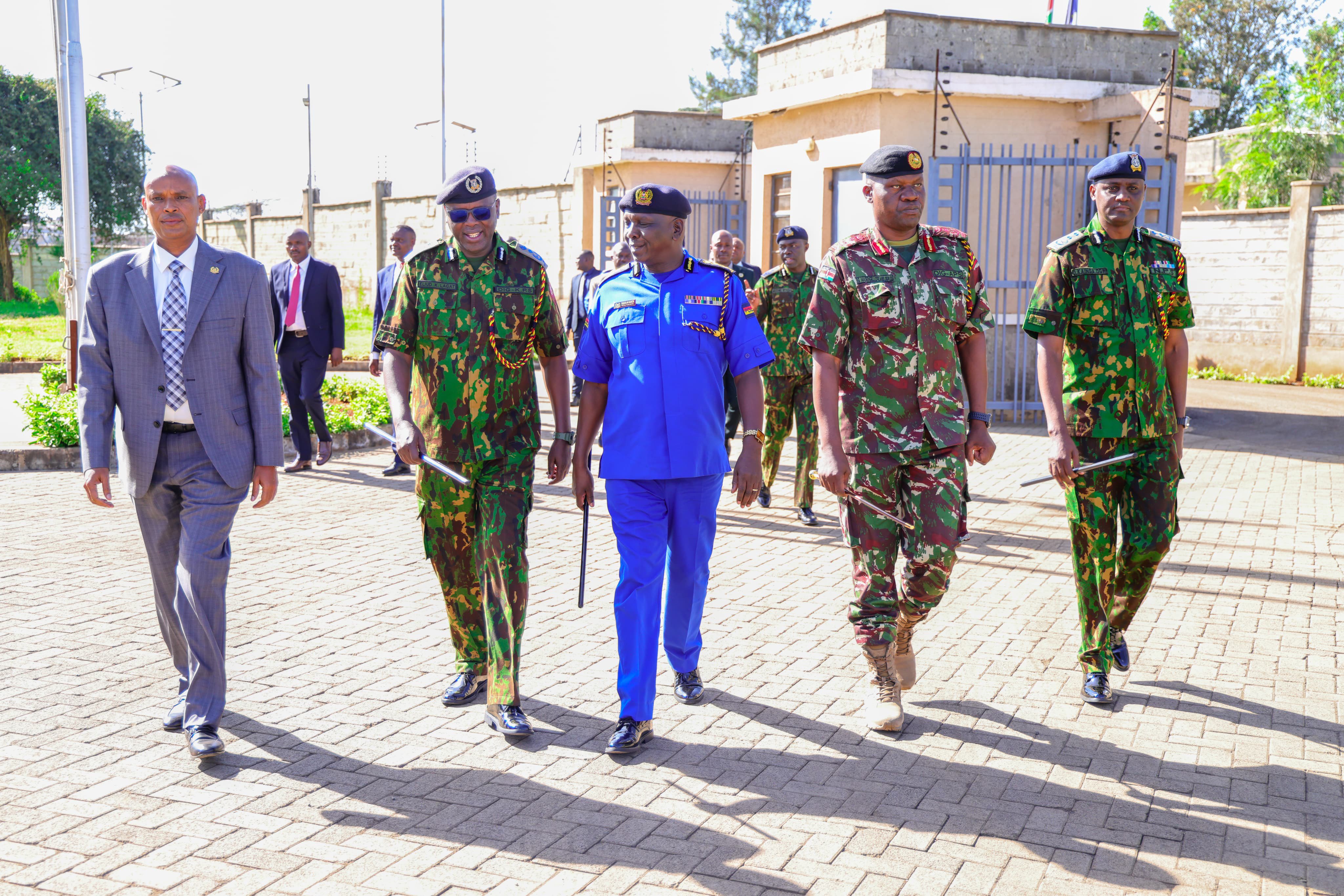
- IG Calls Top Commanders to Crisis Strategy Session as Security Threats Evolve
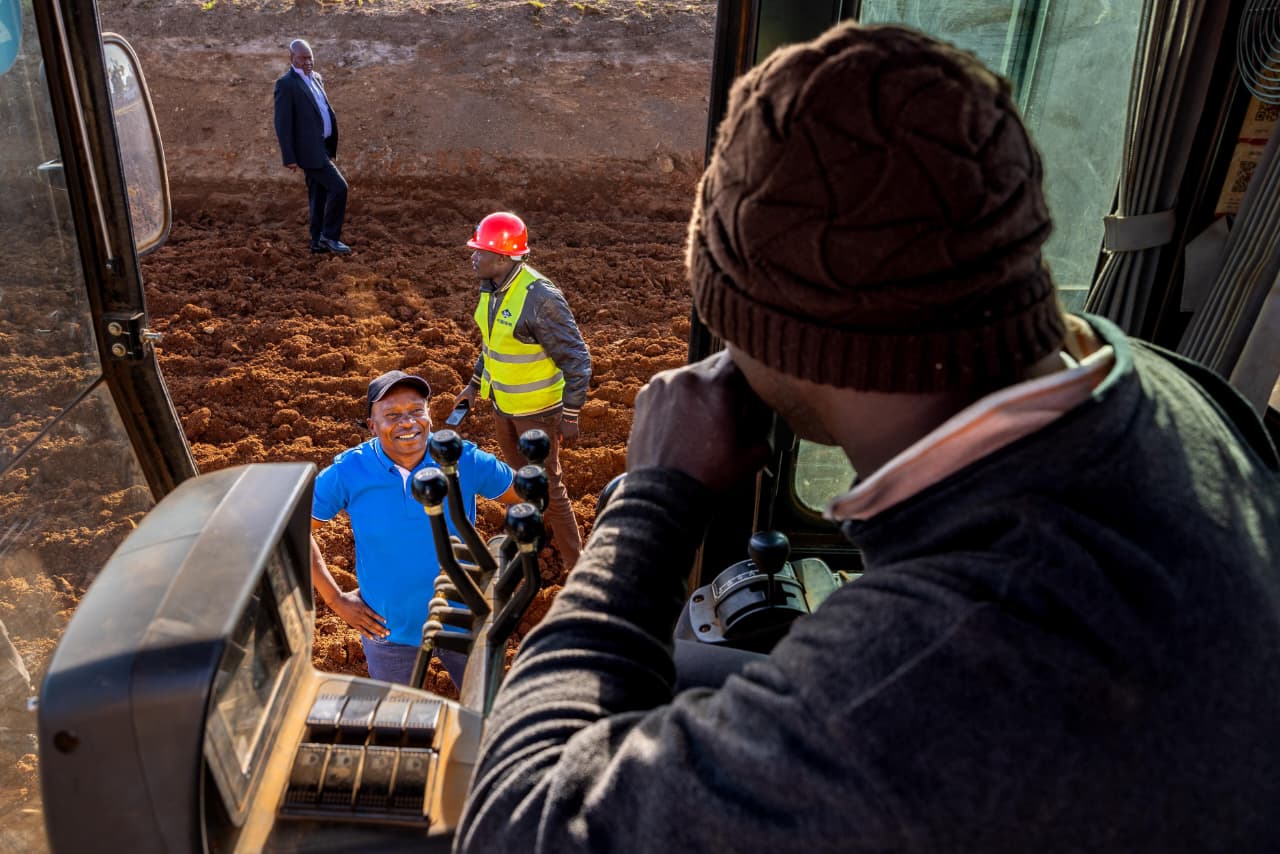
- Kindiki Cracks the Whip on Contractors Over Slow Highway Progress
He noted that closer engagement among EAC legislatures can help harmonize laws, improve governance standards and foster stronger people-to-people ties across member states.
South Sudan joined the EAC in 2016, becoming the bloc’s sixth member at the time. Since then, the country has continued efforts to align its political, economic and legal frameworks with those of the regional community.
However, challenges linked to political transition and peacebuilding remain central to its development agenda.
Wetang’ula stressed that the success of South Sudan’s transition is not only important for its citizens but also for the broader East African region.
He argued that peace and stability in one member state contribute significantly to collective prosperity and security across the bloc.
The discussions between the two parliamentary leaders also touched on the need to strengthen legislative oversight, promote democratic governance, and encourage greater collaboration in addressing regional challenges.
Political observers view such engagements as critical in reinforcing diplomatic ties and supporting the EAC’s broader goal of creating a politically stable, economically integrated, and prosperous region.
As South Sudan continues its transition journey, Wetang’ula urged regional leaders and institutions to remain committed to supporting the country’s democratic aspirations.
He emphasized that unity, cooperation, and sustained dialogue among EAC member states will be instrumental in securing lasting peace and development for the region.
His remarks come at a time when East African nations are increasingly seeking collaborative solutions to governance, security and development challenges, underscoring the importance of regional solidarity in shaping the future of the community.
About the Author