“This Is Why I’m Under Fire” Sifuna Reveals Shocking Truth Behind ODM Rift
 Afrireport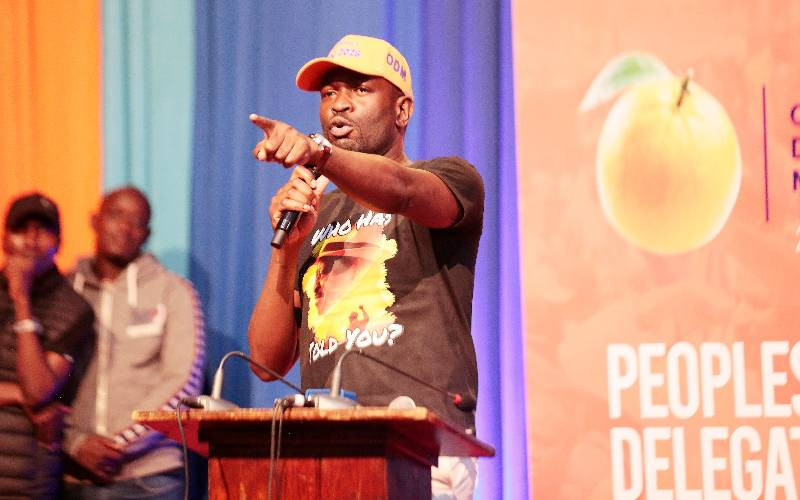
1000626689
The Orange Democratic Movement (ODM) is once again at the centre of political tension after Senator Edwin Sifuna alleged that his internal party tribulations stem from his continued push for the implementation of promises he says President William Ruto made to ODM leader Raila Odinga.
Speaking in a politically charged remark that has quickly gained traction within opposition circles, Edwin Sifuna suggested that his struggles within the party are not accidental but tied to his insistence that .
The Kenya Kwanza administration honours what he termed commitments made during political engagements between William Ruto and Raila Odinga.
Sifuna, who also serves as the Secretary-General of Orange Democratic Movement (ODM), implied that there were understandings reached in past political negotiations that have not yet been fully implemented.
He argued that his vocal position on the matter has made him a target of internal criticism and political pushback.
According to Sifuna, the expectation among a section of ODM supporters was that any agreements or promises made in the broader political détente between the government and opposition leadership should translate into tangible reforms and benefits for Kenyans.
Also Read
- How Nairobi Is Quietly Overtaking Global Cities in the Race for UN Influence
- Kindiki Reveals the Big Advantage Making Nairobi Impossible for the UN to Ignore
- CS Ogamba Drops New Figures on Rising School Unrest
- “This Is Why I’m Under Fire” Sifuna Reveals Shocking Truth Behind ODM Rift
- All Eyes on the Court of Appeal: The Verdict That Could Resurrect Gachagua’s Political Career
However, he claims that raising such concerns has placed him at odds with certain factions within the party who prefer a more cautious or silent approach.
His remarks come at a time when ODM is grappling with internal ideological divisions, particularly over its relationship with the Kenya Kwanza administration.
Some leaders within the party have advocated for sustained cooperation on national issues, while others insist on a firmer opposition stance.
Political analysts argue that Sifuna’s statement reflects deeper tensions within ODM regarding the legacy of the so called handshake era politics and its aftermath.
They note that the party is still navigating how to balance opposition politics with occasional bipartisan cooperation.
Supporters of Sifuna, however, say his position reflects consistency and accountability, arguing that political promises if made should be fulfilled regardless of shifting alliances.
Critics within rival camps have dismissed his claims as speculative, insisting that no binding commitments exist that would obligate the current administration in the manner suggested.
The debate is expected to further fuel discussions about ODM’s future direction, especially as Kenya edges closer to the next electoral cycle.
Whether Sifuna’s remarks will lead to further internal friction or trigger formal clarification from party leadership remains to be seen.
For now, the controversy underscores the fragile balance within ODM as it attempts to define its identity in a rapidly evolving political landscape.
About the Author