Shocking Lessons Kenya Learned From Egypt’s Hepatitis Elimination Success
 Afrireport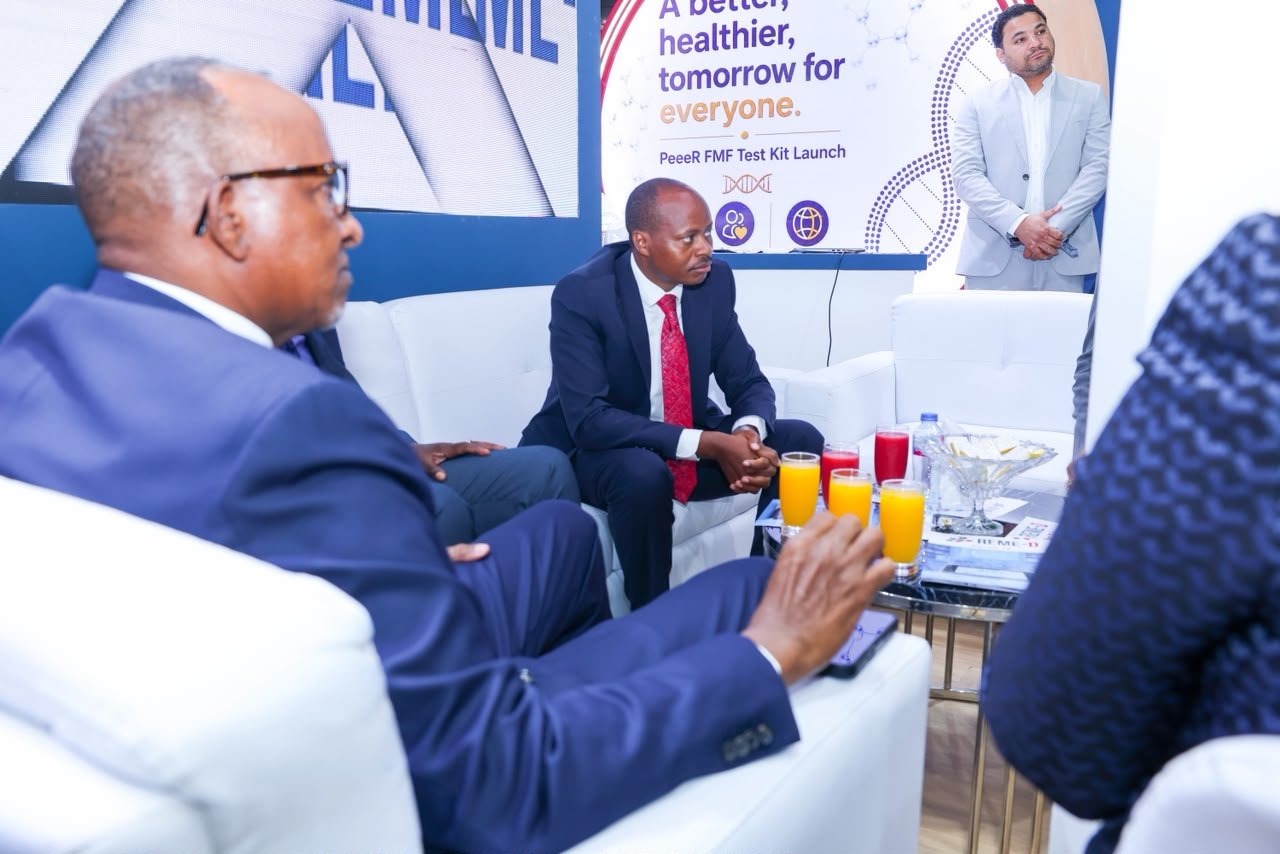
1000643319
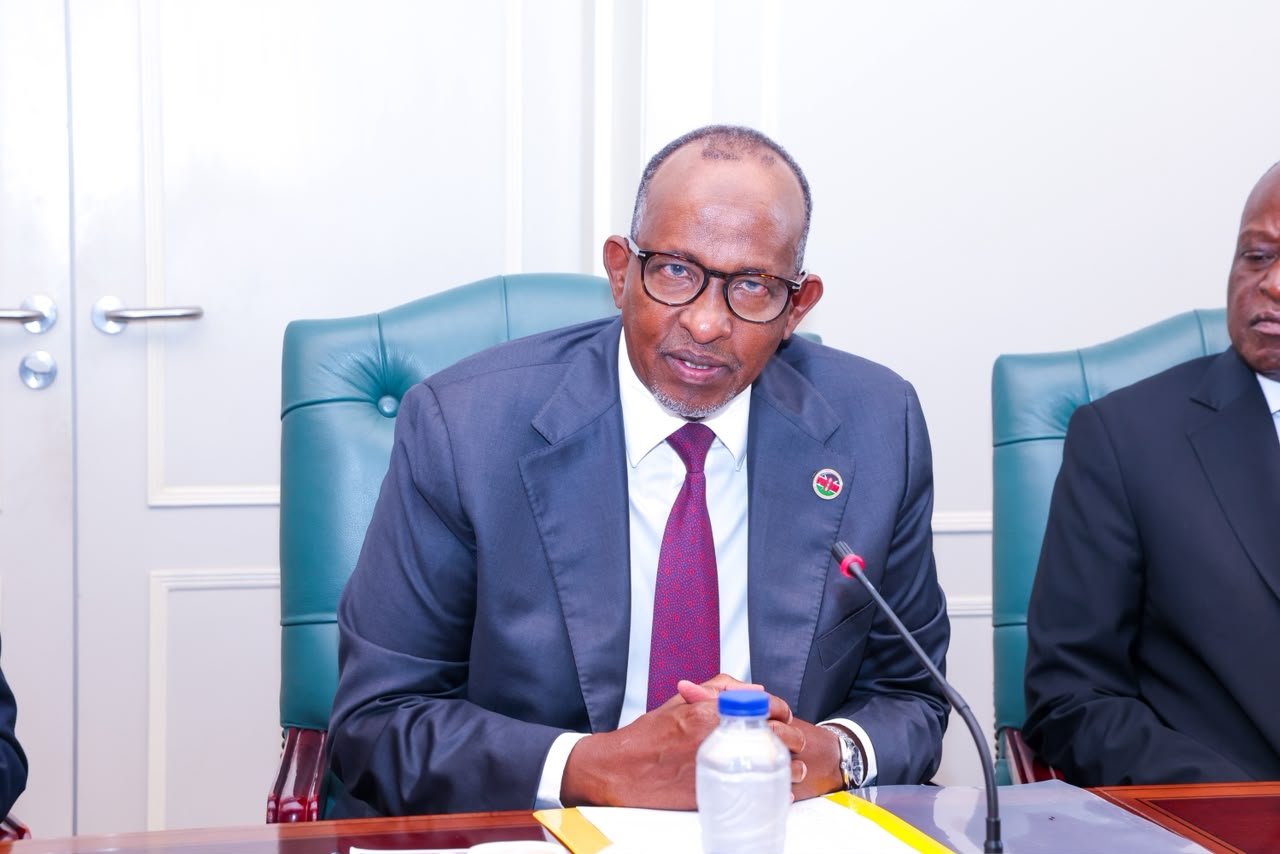
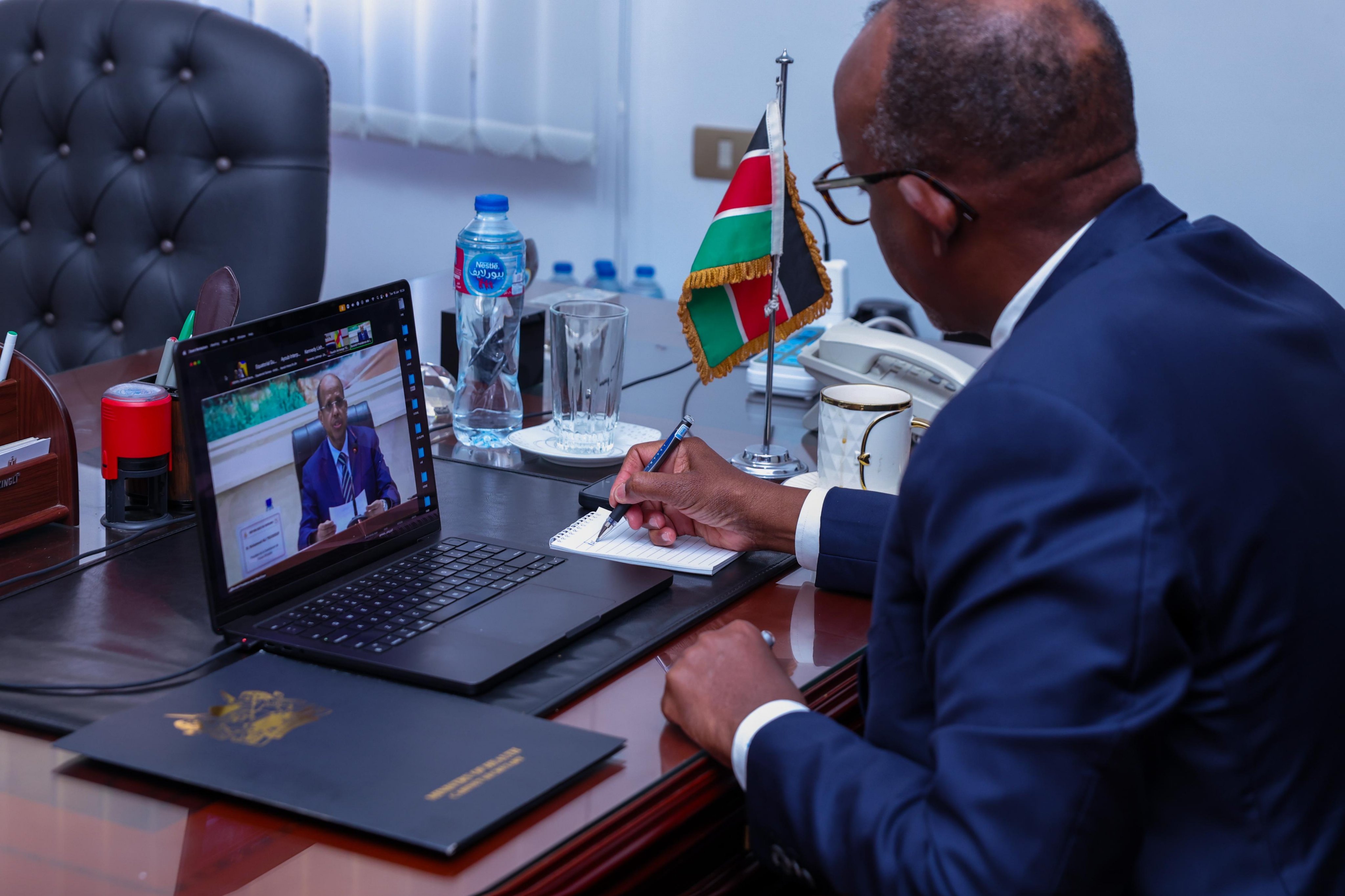
Kenya has reaffirmed its commitment to strengthening diagnostic systems as a cornerstone of disease prevention and public health resilience following a high-level engagement at the REME-D Diagnostics exhibition booth during the 5th Health Exhibition Conference (ExCon) 2026.
During the visit, the delegation was hosted by Dr Salma Tammam, where discussions centered on the transformative role of diagnostics in early disease detection, prevention, and overall health system strengthening.
The engagement highlighted how innovation in diagnostic technologies continues to shape global responses to communicable diseases, particularly in low and middle income settings.
A key highlight of the discussions was Egypt’s successful hepatitis elimination programme, which has been widely recognised as one of the most ambitious public health interventions in the region.
The programme leveraged mass population screening, rapid diagnostic tools, and immediate linkage to treatment, resulting in significant reductions in infection rates and improved long term health outcomes.
Kenyan officials noted that the model provides valuable lessons for countries seeking to eliminate viral hepatitis and strengthen preventive healthcare strategies.
The Kenyan delegation emphasized that investing in robust diagnostic infrastructure remains essential in addressing the burden of viral hepatitis and other infectious diseases.
Improved diagnostics, they noted, enable early detection, timely treatment, and more efficient allocation of health resources, ultimately reducing pressure on hospitals and improving patient outcomes.
Also Read
- Shocking Lessons Kenya Learned From Egypt’s Hepatitis Elimination Success
- Katiba Institute Demands Punishment for Duale Over Defiance of Court Orders
- What Duale Told African Leaders About the Growing Ebola Threat Will Surprise You
- From Trade to Technology: What Ruto Discussed with World Leaders in Evian
- Museveni’s Federation Dream Gains Momentum as He Calls for Joint Regional Army
Kenya’s participation at the exhibition also underscored its broader health sector reform agenda, which includes scaling up screening programmes, enhancing laboratory capacity and expanding access to quality diagnostic services across the country.
The government reiterated its commitment to leveraging international partnerships to accelerate progress in achieving universal health coverage and strengthening health security systems.
The delegation included Fred Outa, Dr Nazila Ganatra, and Dr Andrew Mulwa, among other senior health officials who contributed to technical discussions on strengthening disease surveillance and laboratory systems.
Officials present noted that collaborations with leading diagnostic innovators such as REME-D Diagnostics offer Kenya an opportunity to adopt advanced technologies and best practices that can enhance early detection of diseases, including viral hepatitis, tuberculosis, and emerging infections.
The engagement concluded with a renewed commitment by Kenya to pursue strategic partnerships that advance diagnostic capacity, promote knowledge exchange and strengthen health systems resilience.
As Kenya continues to expand its preventive healthcare framework, diagnostics are expected to play an increasingly central role in shaping national and regional health outcomes.
About the Author