Museveni’s Federation Dream Gains Momentum as He Calls for Joint Regional Army
 Afrireport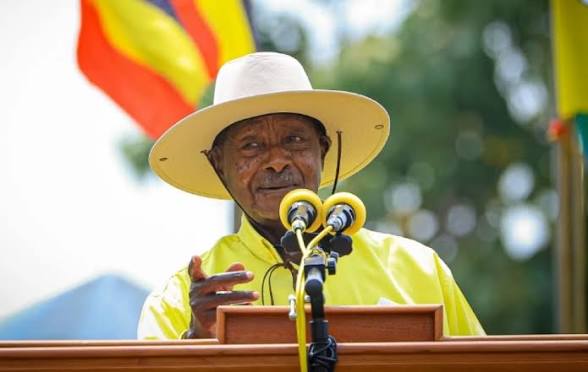
1000643266
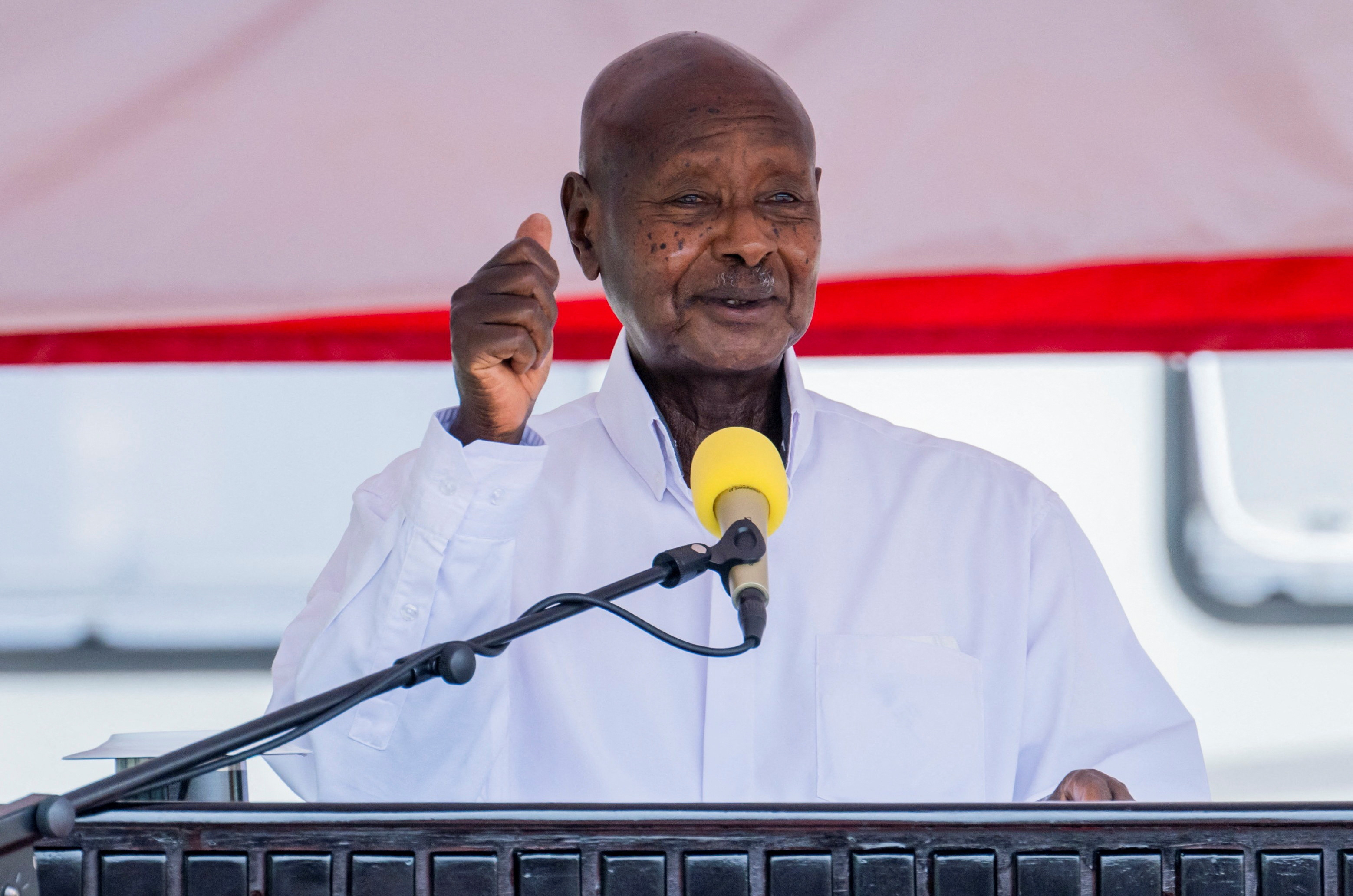
Ugandan President Yoweri Museveni has renewed his call for the establishment of an East African Federation, arguing that a united political bloc backed by a joint military force would strengthen regional security, economic growth, and political stability.
Speaking during a regional engagement, Museveni said the countries of East Africa must move beyond economic cooperation and work towards full political integration.
He emphasized that a federation would enable member states to better address common challenges, including insecurity, cross-border crime, and external threats.
According to the Ugandan leader, East Africa’s future prosperity depends on unity among nations that share historical, cultural and economic ties.
He noted that while the region has made significant progress through the East African Community (EAC), more needs to be done to realize the long-standing dream of a politically united East Africa.
Museveni argued that a joint military would be a critical pillar of the federation, providing a coordinated approach to regional defense and peacekeeping.
Also Read
- Shocking Lessons Kenya Learned From Egypt’s Hepatitis Elimination Success
- Katiba Institute Demands Punishment for Duale Over Defiance of Court Orders
- What Duale Told African Leaders About the Growing Ebola Threat Will Surprise You
- From Trade to Technology: What Ruto Discussed with World Leaders in Evian
- Museveni’s Federation Dream Gains Momentum as He Calls for Joint Regional Army
He said a unified force would enhance the region’s ability to respond to security threats while reducing duplication of military resources among member states.
The proposal comes at a time when East African nations are increasingly collaborating on matters of trade, infrastructure, and security.
The EAC currently brings together several countries, including Kenya, Uganda, Tanzania, Rwanda, Burundi, South Sudan, the Democratic Republic of the Congo and Somalia.
Supporters of the federation idea argue that a larger political and economic bloc would increase East Africa’s bargaining power on the global stage.
They believe a common market, shared institutions, and coordinated security structures could accelerate development and attract greater investment into the region.
However, the proposal has also generated debate among political analysts and policymakers.
Critics point to concerns over national sovereignty, governance structures, and the complexities involved in merging military and political systems across multiple countries.
Some experts argue that deeper economic integration should take precedence before pursuing a full political federation.
Despite the challenges, Museveni remains one of the strongest advocates of East African unity.
He has consistently maintained that political federation represents the ultimate goal of regional integration and is essential for ensuring long-term stability and prosperity.
His latest remarks are expected to reignite discussions across the region on the future of East African integration and whether the dream of a united East African Federation can eventually become a reality.
About the Author