KSh 784 Billion for Education! Mbadi Dismisses Claims of Budget Cuts in Fiery Statement
 Afrireport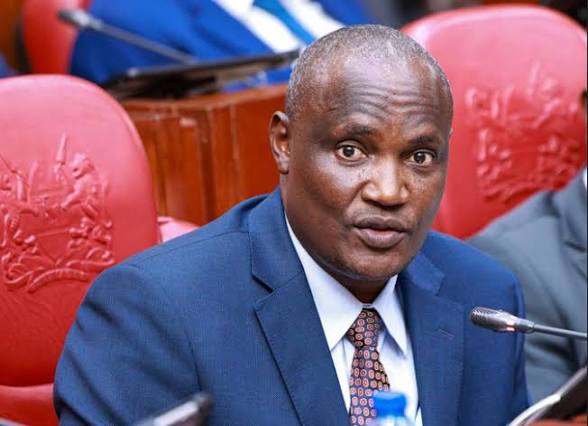
1000628900
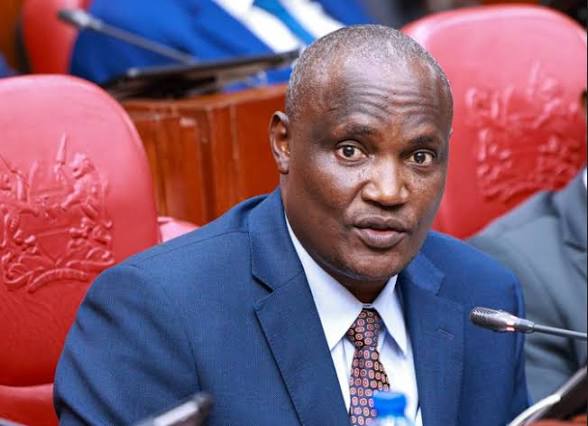
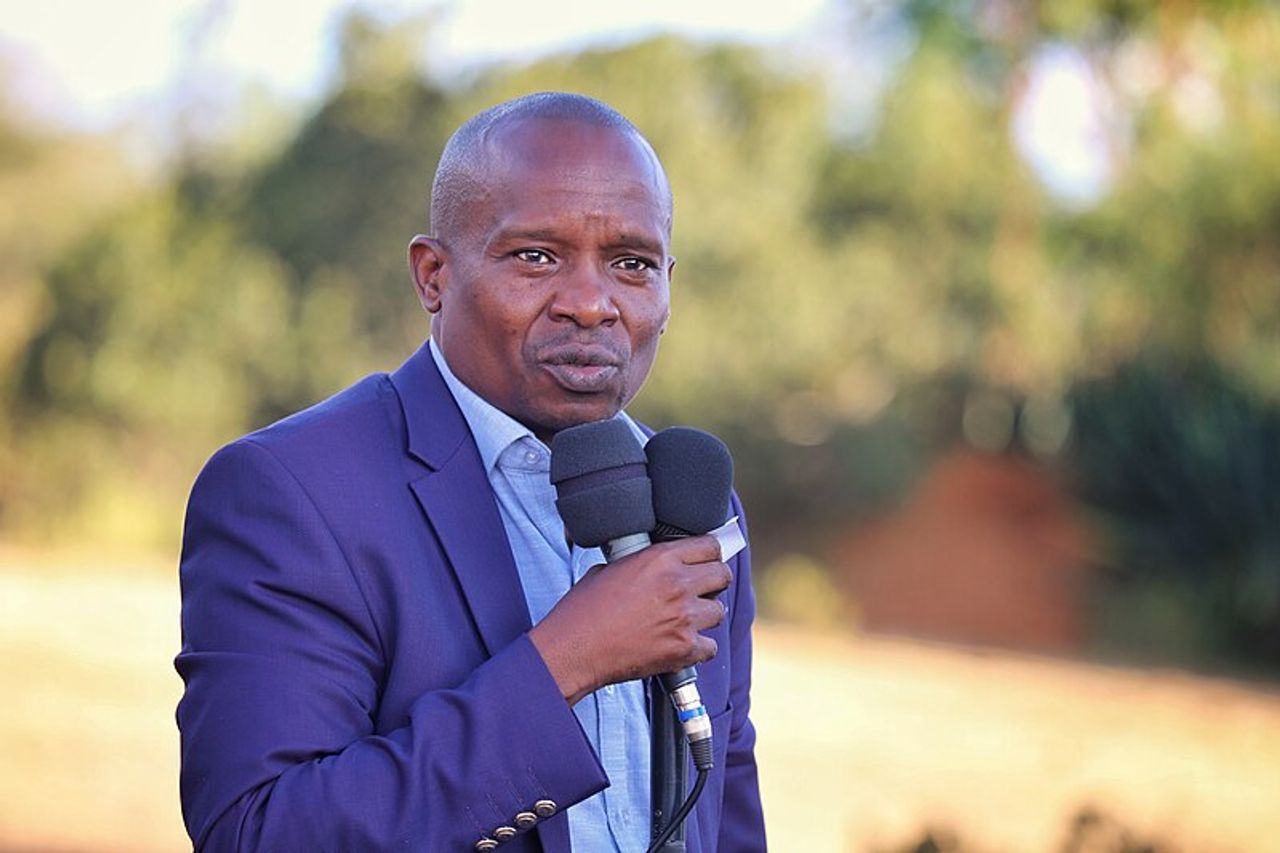
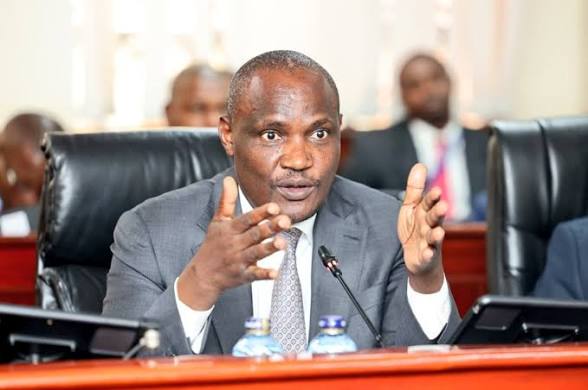
Treasury Cabinet Secretary John Mbadi has dismissed claims that the government is reducing funding for the education sector, insisting that the Kenya Kwanza administration remains committed to supporting learning institutions across the country.
Speaking while defending the 2026/2027 national budget, Mbadi said assertions that education had suffered budget cuts were inaccurate and failed to reflect the actual allocation made by the government.
He noted that the sector has been allocated KSh 784 billion, making it one of the largest beneficiaries of public spending.
“The narrative suggesting that we are defunding education is misplaced. We have allocated KSh 784 billion to the sector,” Mbadi said.
The CS explained that education continues to receive a significant share of the national budget because of its critical role in driving economic growth, creating opportunities for young people, and enhancing the country’s competitiveness.
He emphasized that the government recognizes education as a key pillar in achieving long-term development goals.
According to Mbadi, the allocation will support various programmes, including capitation for learners, infrastructure development, teacher recruitment, technical and vocational training and the implementation of reforms under the Competency-Based Curriculum (CBC).
Also Read
- Why John Mbadi Asked MPs to Stand Still Before Unveiling Kenya’s Biggest Budget
- Government Unveils New Plan to Track Missing Children Across Kenya
- KSh 784 Billion for Education! Mbadi Dismisses Claims of Budget Cuts in Fiery Statement
- Will This Budget Change Your Life? Mbadi Unveils Kenya's Biggest Spending Plan Ever
- How Nairobi Is Quietly Overtaking Global Cities in the Race for UN Influence
His remarks come amid growing concerns from education stakeholders, parents and opposition leaders who have raised questions about funding levels for schools and universities.
Some critics have argued that rising enrolment and increasing operational costs require additional resources beyond what has been allocated.
However, Mbadi maintained that the government had carefully balanced competing national priorities while ensuring that education remains adequately funded.
He noted that the country faces fiscal pressures, including debt obligations and demands from other critical sectors such as healthcare, agriculture and security.
The Treasury boss further assured schools and institutions of higher learning that the government would continue working to address challenges affecting the sector.
He said efficient use of available resources and enhanced accountability would be essential in ensuring that allocated funds achieve the desired outcomes.
Education stakeholders are expected to scrutinize the budget details in the coming weeks to determine how the allocation will be distributed across various programmes and institutions.
The debate is likely to continue, particularly regarding university financing, school capitation, and the pace of implementing ongoing education reforms.
Even as concerns persist, Mbadi’s defence of the education budget signals the government’s intention to counter criticism and reassure Kenyans that learning remains a top national priority.
With KSh 784 billion set aside for the sector, the Treasury is seeking to demonstrate that investment in education remains central to the country’s development agenda despite economic constraints facing the nation.
About the Author