Will This Budget Change Your Life? Mbadi Unveils Kenya's Biggest Spending Plan Ever
 Afrireport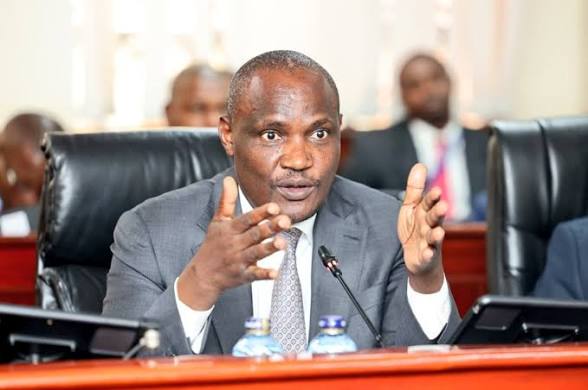
1000628901
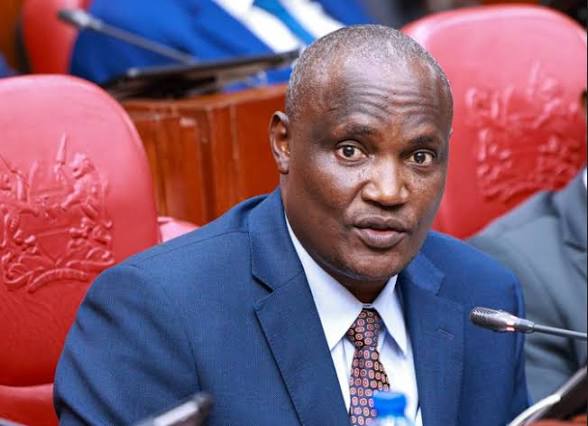
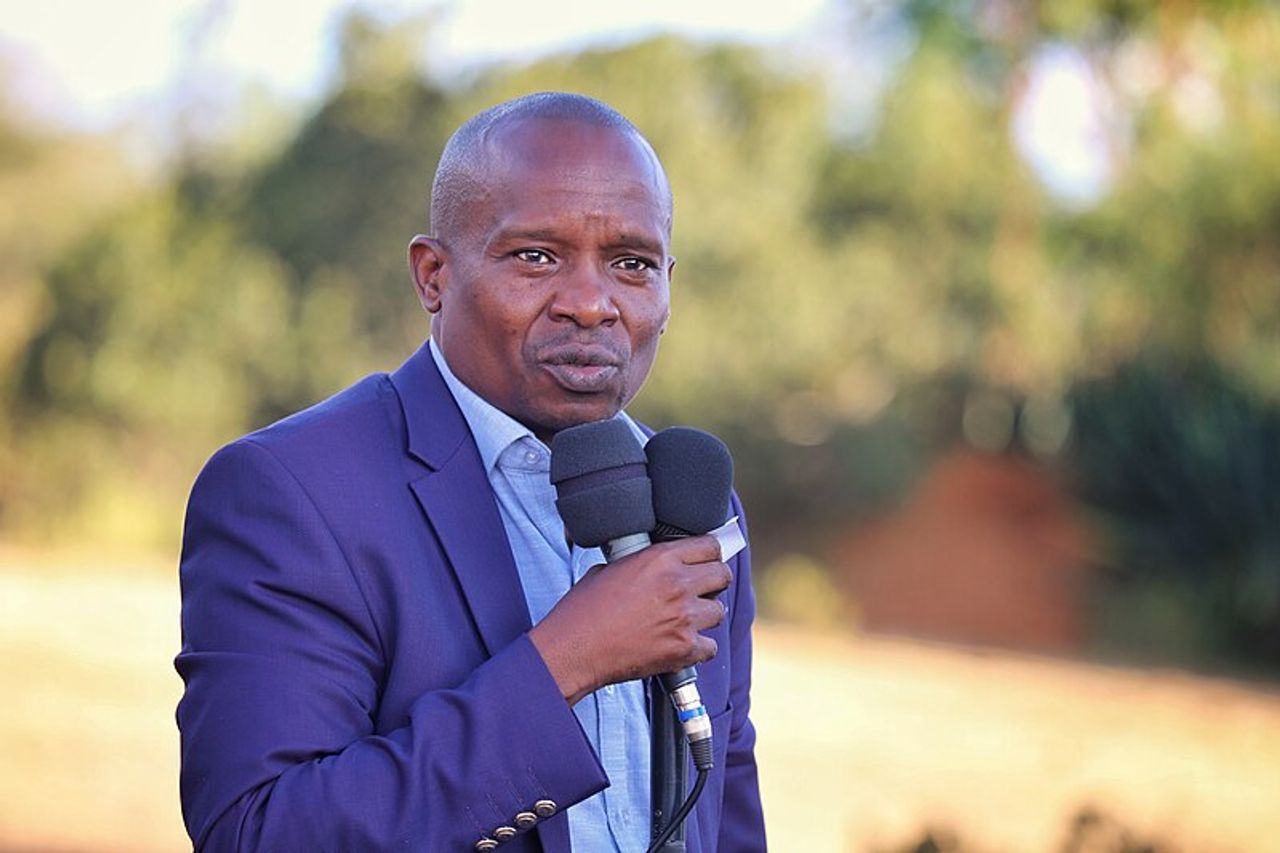
Kenya’s economic direction for the next financial year came into sharp focus as National Treasury Cabinet Secretary John Mbadi presented the 2026/2027 Budget, unveiling a record Sh4.84 trillion spending plan designed to accelerate economic growth, create employment opportunities and strengthen critical sectors of the economy.
The highly anticipated budget, the first full fiscal blueprint under Mbadi’s stewardship of the Treasury, is expected to shape government priorities amid growing public demand for jobs, improved public services and fiscal discipline.
The spending plan comes at a time when the country is seeking to sustain economic recovery while addressing concerns over public debt and the rising cost of living.
A significant portion of the budget has been directed toward key productive sectors, including agriculture, manufacturing, infrastructure, education, healthcare and technology.
Treasury officials say the allocations are intended to stimulate economic activity, enhance productivity, and improve livelihoods across the country.
Infrastructure development remains one of the government’s top priorities, with billions earmarked for road construction, energy projects, affordable housing initiatives and digital connectivity programs.
Also Read
- Why John Mbadi Asked MPs to Stand Still Before Unveiling Kenya’s Biggest Budget
- Government Unveils New Plan to Track Missing Children Across Kenya
- KSh 784 Billion for Education! Mbadi Dismisses Claims of Budget Cuts in Fiery Statement
- Will This Budget Change Your Life? Mbadi Unveils Kenya's Biggest Spending Plan Ever
- How Nairobi Is Quietly Overtaking Global Cities in the Race for UN Influence
The government argues that continued investment in these areas will attract private-sector investment and strengthen Kenya’s competitiveness as a regional economic hub.
Job creation is also expected to feature prominently in the budget. The Treasury has emphasized support for youth employment programs, small and medium-sized enterprises (SMEs) and initiatives aimed at expanding opportunities in the digital economy.
Officials maintain that empowering entrepreneurs and supporting local industries will be crucial in reducing unemployment and boosting household incomes.
Education and healthcare have also received substantial allocations, reflecting the government’s commitment to improving access to quality services.
Funding is expected to support school infrastructure, teacher recruitment, universal health coverage programs and medical equipment upgrades in public health facilities.
Despite the ambitious spending plan, analysts will be closely examining how the government intends to finance the record budget.
Treasury is expected to rely on a combination of domestic revenue collection, borrowing, grants and ongoing reforms aimed at improving tax compliance and reducing wastage in public expenditure.
Economic observers note that the budget’s success will largely depend on effective implementation and prudent financial management.
Questions remain over revenue targets, debt sustainability, and the government’s ability to balance development spending with fiscal responsibility.
As Parliament begins scrutinizing the budget proposals, attention will shift to how lawmakers, businesses and ordinary Kenyans respond to the spending priorities outlined by the Treasury.
For Mbadi, the presentation marks a defining moment in his tenure, with expectations high that the Sh4.84 trillion budget will provide a roadmap for economic transformation, job creation, and inclusive growth in the coming financial year
About the Author