
 By Afrireport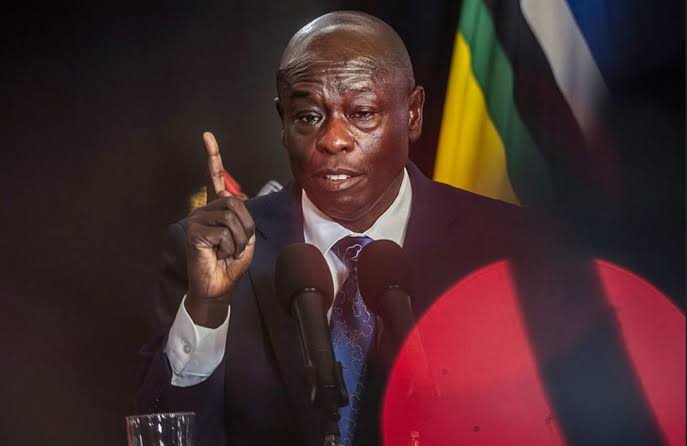
A legal battle sparked by the impeachment of Deputy President Rigathi Gachagua has opened an unexpected window into the inner workings of the ruling coalition, raising far reaching questions about how power is structured and exercised at the highest levels of government.
Court filings seen in the case go beyond the fate of one political figure. They paint a picture of a governing system allegedly anchored less on constitutional principles and more on negotiated political bargains, with petitioners arguing that loyalty, not merit, became the currency for access to power.
At the centre of the claims is the assertion that public offices were distributed in a manner resembling shareholding arrangements among political allies.
According to the petitioners, the administration led by President William Ruto was formed on what they describe as a government by shares model.
Under this framework, political leaders who delivered votes or influence during the 2022 election were allegedly rewarded with control over specific ministries, parastatals, or strategic state positions, effectively turning governance into a negotiated settlement among coalition partners.
Also Read
- Sh120 Million Shock: Senate Confronts Turkana Governor Over Mega Residence Payment!
- ODM Vows to Rule Kenya in 2027 Gladys Wanga Reveals Bold Plan
- From Protesters to Power: ODM Declares Itself a Ruling Party
- Ruto Heads to Ethiopia: What Kenya Hopes to Gain at the AU Summit Will Surprise You!
- Eugene Wamalwa Invites Edwin Sifuna to Join DAP-K as ODM Rift Deepens
The claims have emerged as part of a broader challenge to Gachagua’s impeachment, with lawyers arguing that the process cannot be divorced from the political architecture of the ruling alliance, Kenya Kwanza.
They contend that the fallout between key coalition players exposes deep seated contradictions within the government, where internal agreements allegedly override collective cabinet responsibility and constitutional accountability.
In their submissions, the petitioners argue that such a structure undermines the spirit of public service by transforming state offices into political rewards.
They say this approach weakens institutions, fuels factionalism, and makes governance vulnerable to personal rivalries, as officials are perceived to answer first to political patrons rather than to the Constitution or the public.
The impeachment of the deputy president, they add, is a symptom of these tensions rather than an isolated event.
By dragging these internal arrangements into the open, the court case has forced uncomfortable scrutiny of how decisions are made within the executive and whether coalition politics has blurred the lines between party interests and state obligations.
On the other hand, supporters of the government have dismissed the allegations as politically motivated, insisting that Kenya Kwanza operates within the law and that appointments reflect competence, regional balance, and electoral mandate.
They argue that coalition agreements are a normal feature of multiparty democracy and do not amount to trading public office for loyalty.
As the court weighs the arguments, the case has already ignited a wider national debate.
Beyond the legal outcome, the proceedings have raised fundamental questions about transparency, accountability and whether Kenya’s coalition governments risk evolving into power sharing arrangements that prioritise political survival over effective governance.
