
 By Afrireport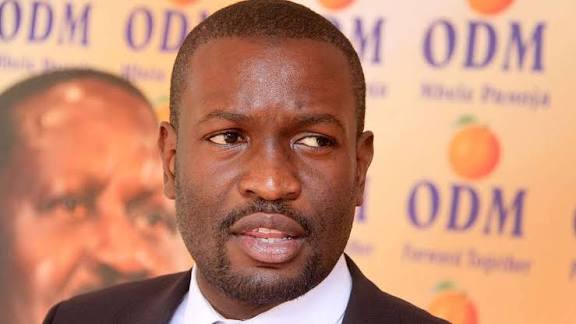
Nairobi Senator Edwin Sifuna has pushed back strongly against fresh accusations levelled at him, dismissing them as politically driven and lacking any factual foundation.
The outspoken legislator insisted that public institutions should exercise restraint and responsibility when making serious allegations against elected leaders.
The remarks come amid rising tensions between the Senate and county governments, a standoff that has increasingly spilled into the public arena.
While disagreements between the two levels of government are not new, the latest exchange has taken a sharper tone, drawing national attention and igniting debate over accountability and oversight.
Sifuna, who also serves as the Orange Democratic Movement’s Secretary General, accused his critics of attempting to intimidate senators charged with overseeing county governments.
He said oversight is a constitutional duty that should not be weaponised or mischaracterised as harassment or extortion whenever governors are questioned over the use of public funds.
Also Read
- Sh120 Million Shock: Senate Confronts Turkana Governor Over Mega Residence Payment!
- ODM Vows to Rule Kenya in 2027 Gladys Wanga Reveals Bold Plan
- From Protesters to Power: ODM Declares Itself a Ruling Party
- Ruto Heads to Ethiopia: What Kenya Hopes to Gain at the AU Summit Will Surprise You!
- Eugene Wamalwa Invites Edwin Sifuna to Join DAP-K as ODM Rift Deepens
The Nairobi senator was responding to claims by the Council of Governors, which alleged that some senators were engaging in extortion during Senate oversight processes.
The council claimed that certain lawmakers were using summons and committee appearances to allegedly solicit bribes from county executives.
Sifuna flatly rejected the allegations and dared the council to present concrete evidence to back its claims.
He maintained that accusations of extortion are criminal in nature and cannot be thrown around casually without proof.
According to the senator, anyone with credible information should report it to investigative agencies rather than resorting to press statements.
He further argued that branding senators as extortionists is a calculated attempt to delegitimise the Senate’s role and weaken accountability at the county level.
Sifuna warned that such narratives risk eroding public trust in institutions established to safeguard public resources.
The senator also questioned why the council had chosen to make sweeping statements instead of identifying specific individuals and incidents.
He said generalised accusations unfairly tarnish the image of the entire Senate and divert attention from serious issues surrounding governance, corruption and service delivery in counties.
The standoff highlights the growing strain between governors and senators, particularly as the Senate intensifies scrutiny of county expenditure.
With public resources under increased pressure and citizens demanding transparency, the confrontation is likely to persist unless addressed through institutional dialogue and lawful processes.
As the debate unfolds, Sifuna insists that accountability must remain non negotiable, adding that intimidation tactics will not deter senators from executing their constitutional mandate.
